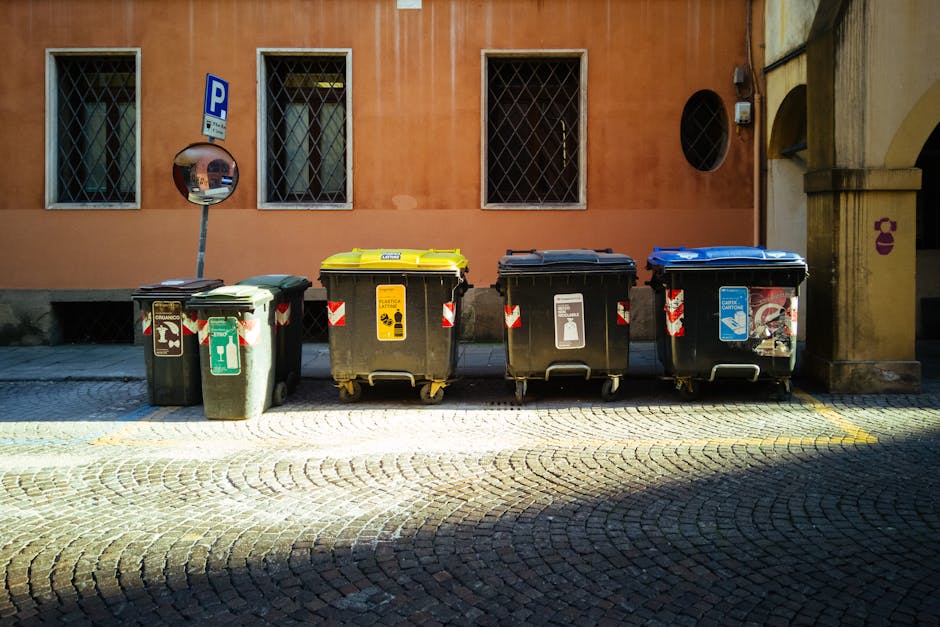
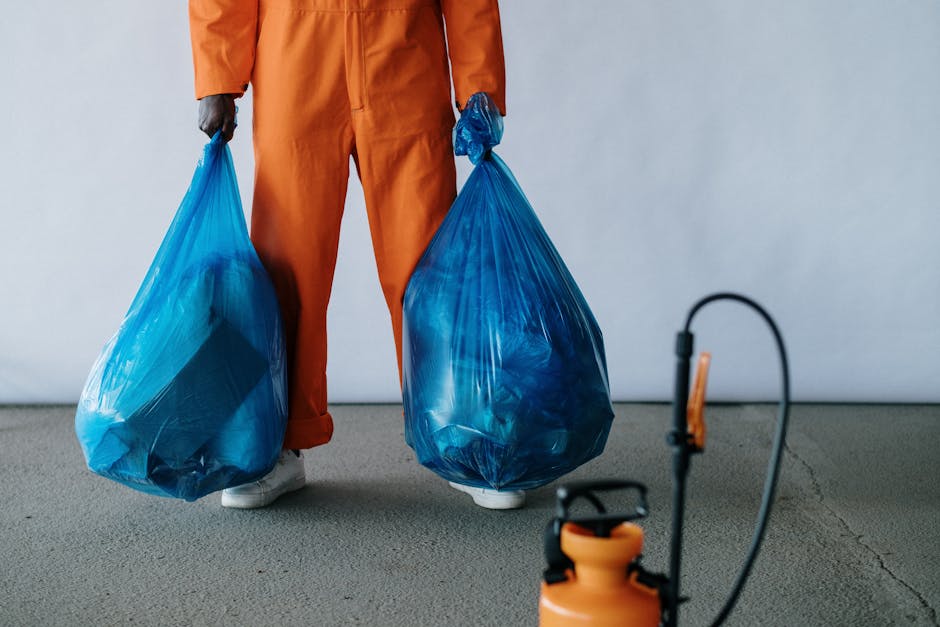
Harrow council waste rules for cleaning businesses and disposal
If you run a cleaning business in Harrow, waste is not just something you sweep up at the end of a job and forget about. The way you store, move, and dispose of rubbish can affect your reputation, your costs, and whether you stay on the right side of local expectations. Harrow council waste rules for cleaning businesses and disposal can feel a bit fiddly at first, especially when you are dealing with mixed waste, bulky items, old chemicals, or the aftermath of a deep clean that looks like a small storm went through the property.
This guide breaks everything down in plain English. You will learn what the rules mean in practice, how cleaning waste is usually handled, which mistakes cause problems, and how to build a system that works whether you do domestic cleaning, commercial cleaning, or specialist work such as end of tenancy cleaning. We will keep it local, practical, and honest. No fluff. Just what helps you run cleaner, safer jobs.
Table of Contents
- Why Harrow council waste rules for cleaning businesses and disposal Matters
- How Harrow council waste rules for cleaning businesses and disposal Works
- Key Benefits and Practical Advantages
- Who This Is For and When It Makes Sense
- Step-by-Step Guidance
- Expert Tips for Better Results
- Common Mistakes to Avoid
- Tools, Resources and Recommendations
- Law, Compliance, Standards, or Best Practice
- Options, Methods, or Comparison Table
- Case Study or Real-World Example
- Practical Checklist
- Conclusion
- Frequently Asked Questions
Why Harrow council waste rules for cleaning businesses and disposal Matters
Waste handling matters because cleaning businesses generate more than everyday household rubbish. You may leave behind packaging, disposable cloths, mop heads, contaminated paper towels, dust from post-build cleans, broken fixtures, food waste, or bagged waste from communal areas. In some jobs, you also deal with items that are awkward, heavy, or potentially hazardous. That is where a casual approach starts to fall apart.
For a business, the risks are not just about mess. They include missed collections, fly-tipping allegations, complaints from neighbours, and the very ordinary headache of not knowing where waste should go. Let's face it, nobody wants a customer opening the front door to see a pile of black bags sitting in the hallway because the team had nowhere to take them. It looks sloppy, and it can quickly become a trust issue.
There is also a commercial angle. A tidy waste system saves time on site, reduces double handling, and makes it easier to quote accurately. If you include removal of a lot of debris as part of a service like after builders cleaning, for example, you need a clear method for separating normal waste from anything that needs special handling. That is the difference between a job that finishes smoothly and one that drifts into a mini logistics exercise.
And for Harrow specifically, local disposal arrangements matter because residential streets, flats, estates, and commercial properties all have different constraints. What works in a ground-floor office may be a terrible fit for a top-floor flat on a narrow road. You probably already know that from experience. The bin store is full, access is awkward, and the lift is playing up. A fairly ordinary Tuesday, in other words.
How Harrow council waste rules for cleaning businesses and disposal Works
The practical idea is simple: your business must treat waste as a managed part of the job, not an afterthought. In day-to-day terms, that means knowing what you are carrying, keeping it secure, and ensuring it goes to an appropriate collection or disposal route. The exact local service used will depend on the type of waste, the property, and whether the waste is household-style rubbish, trade waste, bulky waste, or a controlled item.
For cleaning businesses, waste usually falls into a few common groups:
- General waste such as used cloths, paper, vacuum bags, and small non-recyclable debris.
- Dry mixed recycling where clean cardboard, certain plastics, cans, or paper can be separated.
- Bulky waste such as old furniture, mattresses, damaged rugs, or large broken items from clear-outs.
- Soiled or contaminated waste from jobs where items are too dirty to recycle safely.
- Hazardous or special waste such as chemicals, aerosols, sharps, or materials contaminated with substances that require extra care.
The real trick is sorting early. If you mix everything together, you make disposal harder, more expensive, and less predictable. If you separate waste as you work, you keep options open. For example, a team completing office cleaning may have only light general waste and packaging. A team doing move out cleaning may face leftover food, broken household items, and bags of clutter. Same business, very different waste profile.
Storage also matters. Waste should be kept in a way that prevents leaks, smells, pests, or anything spilling into a shared hallway or loading area. That sounds obvious, but during winter jobs in particular, wet bags and soggy cardboard can become a small nightmare. If you have ever carried a dripping refuse sack down three flights of stairs, you know exactly what I mean.
Finally, disposal needs to follow the right route. In some cases, a normal council service may be suitable for household-style waste linked to a property. In other cases, a cleaning company may need a separate commercial arrangement or a licensed waste contractor. The safest approach is to build a simple decision process for every job rather than guessing on the fly.
Key Benefits and Practical Advantages
Good waste handling is not just about avoiding trouble. Done properly, it improves your service in ways clients notice, even if they never say so directly.
- Cleaner handovers: Properties look finished, not half-done.
- Fewer delays: Teams spend less time wondering where to put things.
- Better hygiene: Less risk of odour, pests, or cross-contamination.
- Stronger compliance: A clear process reduces the chance of accidental misuse of local services.
- Improved quoting: You can identify which jobs need added disposal time or collection support.
- Better client confidence: People notice when rubbish disappears in an orderly, professional way.
There is another benefit that often gets missed: waste discipline supports your wider operational standards. If your business already cares about presentation and service quality, then waste handling should sit alongside things like your health and safety policy and your recycling and sustainability approach. Those things are linked. A company that sorts waste properly tends to think more clearly in other areas too.
In our experience, customers rarely ask detailed waste questions until something goes wrong. Then they care a lot. So it pays to get ahead of the issue now rather than improvising later.
Who This Is For and When It Makes Sense
This topic is relevant if you run any cleaning operation that produces rubbish beyond a light domestic tidy. That includes solo cleaners, small teams, and growing firms handling regular domestic or commercial contracts.
It matters most for:
- domestic cleaning businesses that collect bagged waste during regular visits
- teams doing deep cleans, spring cleans, or one-off clear-downs
- move-related cleaning jobs where customers leave behind items
- specialist services such as carpet, upholstery, and mattress cleaning
- commercial cleaners working in offices, shared buildings, or managed premises
- businesses offering regular cleaning where waste builds up over time
- operators handling post-renovation debris through after builders cleaning
It also becomes especially important if your job includes bulky items or clutter removal. A customer may casually say, "Can you just take those old chairs away?" and suddenly you are in disposal territory, not cleaning territory. Same if you handle a property with leftover household goods, damaged textiles, or soggy items from a leak. That is where a service like house clearance may be more relevant than a standard clean.
If you only ever do quick maintenance cleans, you might need a lighter process. But even then, you still need to know where waste goes and who is responsible for it. That part never really goes away.
Step-by-Step Guidance
Here is a practical way to handle waste on cleaning jobs in Harrow without turning it into a full-time drama.
- Identify the waste type before you start. Walk the property and note what will likely be removed: general rubbish, recyclables, bulky items, or anything potentially hazardous.
- Agree responsibilities with the client. Make sure it is clear whether you are cleaning, collecting waste, or arranging disposal as a separate service.
- Bring the right bags and containers. Separate liners for general waste, recycling, and contaminated materials save time later.
- Keep waste dry and contained. Wet bags split. Dust escapes. Smells spread. Not ideal on a hot afternoon in a small flat.
- Do not mix special waste with ordinary rubbish. If in doubt, isolate it and check the correct route before touching it again.
- Store waste safely during the job. Use a designated area that will not block exits, corridors, or shared access points.
- Choose the right disposal route. Use the council route only where it is appropriate, and use a commercial waste arrangement where your business needs one.
- Document what you removed. A simple internal note, waste transfer record, or job log can help if questions come up later.
If you are cleaning a client's home after a move, for example, you may end up with food waste, packaging, and unwanted household items. In that situation, combine the cleaning process with a sensible collection plan, especially if you are also completing move in cleaning or move out cleaning. The point is not to overcomplicate things. It is to stop them becoming messy later.
Expert summary: The best waste systems are boring in the best possible way. Separate early, store safely, dispose correctly, and keep a simple record. That is usually enough to prevent most problems.
Expert Tips for Better Results
Here are a few field-tested habits that make waste handling easier, especially for small cleaning businesses that do not have a big back-office team.
- Use colour-coded sacks or labels. Even a basic system helps staff avoid accidental mixing.
- Carry a waste decision sheet. A one-page reminder for general, recyclable, and special waste can save you from making a rushed call at the kerbside.
- Take photos before and after. Not for show. For clarity. It helps if a client later questions what was left behind.
- Quote for disposal time separately when needed. Especially on deep cleans, after-builders jobs, or properties with clutter.
- Train staff on awkward waste. One person's "probably fine" is another person's compliance problem.
- Keep chemicals in original containers where possible. Re-bottling products can create confusion and safety issues.
Small details matter. A cleaner who packs a sharp broken item properly, or seals a wet bag before it leaks across the pavement, looks like someone who knows what they are doing. Clients notice that kind of calm competence. They may not say it out loud, but they notice.
If your work often involves textiles, odours, or difficult stains, pair your waste process with the rest of your cleaning workflow. For example, services such as stain removal, pet stain odour removal, and upholstery cleaning can produce contaminated cloths or disposables that need correct handling. It is all part of the same operational picture.
Common Mistakes to Avoid
Most waste problems are not dramatic. They are ordinary little slips that pile up. Here are the ones that cause the most trouble.
- Assuming the council will take business waste as if it were household waste. That is a risky assumption.
- Leaving rubbish in shared areas. It only takes one complaint from a neighbour or building manager.
- Mixing recyclables with contaminated waste. Once it is mixed, it usually loses its recycling value.
- Ignoring bulky items. A mattress or broken chair is not just "another bag." It needs a proper plan.
- Pouring liquids into drains without checking. Cleaning products, dirty water, and residues need thought.
- Not documenting disposal. If there is ever a dispute, memory alone is weak evidence.
- Making assumptions about special waste. Old paint, aerosols, chemicals, and sharps should never be handled casually.
One of the most common real-world mistakes is underestimating the aftermath of a job. A property may look straightforward when you arrive, but by the time you have lifted a sofa, cleaned a kitchen, and removed old debris, you are staring at more waste than you expected. Truth be told, that happens a lot more often than people admit.
Tools, Resources and Recommendations
You do not need fancy systems to manage waste well. A sensible setup is usually enough.
- Strong refuse sacks: Choose bags that will not split after two stairs and a sharp edge.
- Separate liners or containers: Useful for sorting waste types on site.
- Protective gloves and basic PPE: Especially when dealing with dirty, sharp, or damp waste.
- Dedicated transport bins or tubs: Helpful for small teams moving waste from upper floors.
- Job notes or digital forms: Keep a simple record of what was removed and how it was handled.
- Client terms and conditions: Make disposal scope clear before you turn up.
If you are reviewing your wider business setup, it also helps to check your policies on insurance and safety, terms and conditions, and privacy policy. Those pages do not dispose of rubbish for you, obviously, but they do show that the business is run with care and consistency. That trust signal matters.
For customer-facing reassurance, you may also want to keep your service information clear, whether you offer deep cleaning, communal area cleaning, or more specialist work like window cleaning. The more transparent the service scope, the fewer waste surprises later.
Law, Compliance, Standards, or Best Practice
This is the part people often skim, then regret later. The exact legal duties can depend on the type of waste, how it is stored, who collects it, and whether the material is classed as household, commercial, or controlled waste. Cleaning businesses should treat this area carefully and not rely on guesswork.
In plain terms, best practice usually means:
- not disposing of business waste in a way that breaches council arrangements or local rules
- keeping waste secure so it does not create a nuisance, spill, or attract pests
- using appropriate carriers or collection methods for non-routine waste
- keeping records where needed, especially for regular commercial disposal
- separating potentially hazardous materials from standard refuse
For cleaning firms, a useful rule of thumb is this: if the waste is ordinary, dry, and clearly part of a normal household-style clean, it may be straightforward. If it is bulky, contaminated, chemical, or generated as part of ongoing business operations, slow down and check the right route. Do not rush that bit. Rushing is where people create problems they really did not need.
Businesses offering services such as carpet cleaning, steam carpet cleaning, or oven cleaning should also think carefully about wastewater, removed residues, filters, and contaminated consumables. These are small items, but they still count.
Options, Methods, or Comparison Table
Different waste situations call for different handling methods. Here is a straightforward comparison to help you choose the right approach.
| Waste situation | Best approach | Typical risk if handled badly | Best fit for |
|---|---|---|---|
| Light domestic rubbish | Separate bagging and normal collection where allowed | Missed collection, overflow, complaints | Routine home cleaning, regular visits |
| Mixed cleaning waste | Sort into general, recycling, and contaminated streams | Loss of recycling value, extra disposal cost | Deep cleans, one-off cleans |
| Bulky items | Arrange a suitable bulky waste or clearance route | Illegal dumping concerns, access problems | Move-related cleans, clear-outs |
| Chemicals or special waste | Isolate and handle under the correct controlled process | Safety exposure, regulatory issues | Specialist cleans, maintenance work |
| Commercial ongoing waste | Use a consistent business waste arrangement | Inconsistent collection, compliance risk | Offices, communal buildings, contracts |
If you are unsure which row sounds like your job, that is usually your sign to pause and sort the waste plan before the clean begins. A ten-minute check can save an hour of hassle later. Maybe more.
Case Study or Real-World Example
A small Harrow-based cleaning team takes on a two-bedroom flat after tenants move out. The place is tidy at first glance, but once they start, they find food waste in the kitchen, broken hangers, packaging, a damp bath mat, and an old vacuum bag left in the cupboard. Nothing dramatic. Just the kind of job that quietly becomes more complicated.
The team does three things right. First, they separate the waste into general rubbish, recycling, and items that need checking. Second, they keep the bags inside a designated room until the end of the job rather than leaving them in the hallway. Third, they confirm with the client which items are part of the clean and which items need a separate disposal arrangement.
The result is boring in the best possible way: no mess in the common area, no neighbour complaint, and no surprise extra trip back to the property later. The client is happy because the flat is finished properly, and the cleaners are happy because they did not spend their afternoon doing accidental waste management. Win-win, really.
That example sounds simple, but that is the whole point. Good waste handling usually looks simple because the planning happened earlier.
Practical Checklist
Use this checklist before and after each job where waste may be an issue.
- Have I identified what waste this job will produce?
- Do I know whether any items are bulky, contaminated, or special waste?
- Have I agreed with the client what is included in the service?
- Do I have enough sacks, liners, gloves, and transport containers?
- Is there a safe place to store waste during the job?
- Are recyclables kept separate from general rubbish?
- Have I kept chemicals and sharp items apart from normal waste?
- Do I know the correct disposal route for this job?
- Have I avoided leaving waste in shared areas or access routes?
- Have I recorded what was removed if the job warrants it?
And one small but useful habit: at the end of a job, take a slow look around the space before you leave. Not a frantic sweep. Just a calm check. You would be surprised how often a forgotten bag or cloth is spotted only in that last quiet moment.
Get a free quote today and see how much you can save.
Conclusion
Harrow council waste rules for cleaning businesses and disposal are really about discipline, clarity, and common sense. If you sort waste early, store it safely, and choose the correct disposal route, you will avoid most of the mess, confusion, and awkward questions that catch smaller businesses out.
The bigger win is professional confidence. When your team knows what to do with rubbish, debris, and awkward leftovers, the whole job feels smoother. Clients notice that. Neighbours notice it too. And frankly, so do you, because the day ends without a pile of unanswered questions sitting by the van.
Keep your process simple, keep it consistent, and do the ordinary things well. That is usually what makes a good local cleaning business stand out.
Frequently Asked Questions
What are Harrow council waste rules for cleaning businesses and disposal in simple terms?
In simple terms, they are the local and practical rules that affect how a cleaning business stores, separates, and removes waste so it is handled safely and appropriately. The key point is not to treat business-generated waste as an afterthought.
Can a cleaning business use household bins for business waste?
Sometimes a small amount of ordinary waste from a job may seem similar to household rubbish, but businesses should not assume household bins are always the right route. The safe approach is to check what type of waste it is and whether the disposal route is suitable for business use.
Do I need to separate recycling from general waste on cleaning jobs?
Yes, where practical. Clean cardboard, paper, and certain packaging can often be separated from general waste. Once items are dirty or contaminated, they may no longer be recyclable, so sorting them early makes a real difference.
What counts as bulky waste for a cleaning business?
Bulky waste usually means large items such as furniture, mattresses, broken appliances, or other objects that cannot just go into standard sacks. These items normally need a separate disposal or collection plan.
How should cleaners handle chemicals or aerosols?
Carefully, and separately from ordinary rubbish. Cleaning products, aerosols, and any other special items should be kept in a way that avoids leaks, pressure damage, or accidental mixing. If there is any doubt, isolate them and check the correct route.
What should I do with waste after a deep clean?
Sort it into the right streams before you leave the property. Deep cleans often produce cloths, packaging, dust, and contaminated disposables, so it helps to bag waste as you go rather than sorting everything at the end.
Does move out cleaning usually create more waste than regular cleaning?
Usually, yes. Move-related jobs often reveal leftover rubbish, damaged items, old packaging, and things the occupants no longer want. That is why clear waste planning matters more on those jobs.
Should waste removal be included in the cleaning quote?
Only if you are clear about what is included. Basic rubbish collection, bulky item removal, and disposal can be very different in effort and cost. It is best to define the scope before the job starts so nobody feels surprised later.
What records should a cleaning business keep?
A simple job log is often useful. Note what was removed, whether it included bulky or special items, and how it was disposed of. The level of detail can vary, but some record is better than relying on memory alone.
What are the biggest mistakes cleaners make with waste?
The biggest mistakes are assuming all waste is the same, leaving bags in shared areas, mixing recyclables with contaminated waste, and failing to check the correct disposal route. Those slip-ups are common, and most are avoidable.
How can I make waste handling easier for my team?
Use a simple system with separate bags, clear labels, and a quick decision guide. Train staff to spot tricky waste early, and make sure clients know what your service includes. A little structure goes a long way.
What if I am not sure whether something is allowed?
If you are unsure, do not guess. Isolate the item, avoid mixing it with ordinary rubbish, and check the appropriate disposal route before moving it on. That cautious pause can save you a bigger problem later.