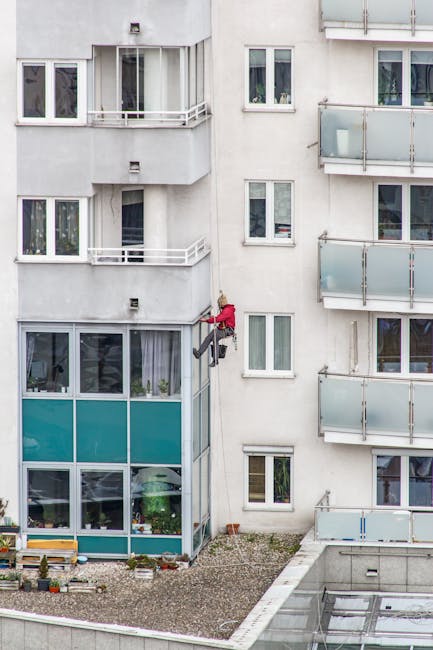
High access block cleaning Harrow safe methods for balconies
Balcony grime has a habit of building up quietly. One week it is just a bit of dust and bird mess; the next, it is slippery underfoot, stained along the edges, and awkward to deal with because the balcony sits several floors up. That is where High access block cleaning Harrow safe methods for balconies comes in. Done properly, it protects people, keeps shared spaces presentable, and helps avoid the kind of accident that turns a routine clean into a very bad day.
If you live in, manage, or maintain a Harrow apartment block, you will know the challenge. Balconies are exposed, often narrow, and not always simple to reach safely. This guide walks through the safest ways to clean them, what professionals usually plan for, what residents should expect, and the mistakes that cause unnecessary risk. It is practical, local-minded, and written to help you make calmer decisions. Because let's face it, nobody wants a sparkling balcony at the cost of a serious fall.
Why High access block cleaning Harrow safe methods for balconies Matters
A balcony is not like a kitchen floor or a hallway skirting board. It is exposed to wind, rain, grime, algae, pollen, traffic dust, and sometimes food residue from daily life. In a block setting, those surfaces are often higher, harder to reach, and closer to open edges. That changes everything. Cleaning safely is not just about neatness; it is about preventing slips, falls, water damage, and avoidable disruption for neighbours below.
In Harrow, you see a real mix of housing styles and block layouts. Some balconies are tucked into modern developments, while others belong to older buildings with tighter access and less forgiving surfaces. Either way, high access work needs planning. A rushed clean with a hose and a bucket sounds harmless. In practice, it can spread dirty water, wet balconies below, or leave residues that make glass and tile dangerously slick.
There is also the reputation side of it. Clean, maintained balconies help shared buildings look cared for. That matters for residents, visitors, landlords, and building managers. If you are comparing broader property care priorities, it is worth looking at how building condition affects value and perception in the local market; the article on Harrow property market trends gives useful context there.
And, to be fair, there is a simple human reason too. People feel better when their outdoor space is usable. A balcony that is free of grime, moss, and debris feels like part of the home again rather than an awkward extra ledge you avoid stepping onto. That shift matters more than it sounds.
How High access block cleaning Harrow safe methods for balconies Works
Safe high access balcony cleaning usually starts long before anyone wipes a surface. The job is first assessed, then the access method is chosen, then the right tools and controls are put in place. That might mean rope access for certain exterior tasks, a podium system for reachable edges, long-reach tools for safer ground-based cleaning, or a managed approach using building access points and restricted zones. The method depends on the height, the building design, the surface type, and the surrounding risk.
For balconies specifically, the most common cleaning focus is the floor surface, railings, drainage points, glazing, thresholds, and any build-up in corners where debris collects. A good operator will think about runoff too. Where is the water going? Can it drip onto people below? Will it mark cladding, windows, or concrete? Those questions matter.
The safer approach is usually controlled and minimal. Instead of flooding the area, professionals often use measured application, appropriate detergents, and low-pressure methods where suitable. That protects finishes and reduces slip hazards. On a residential block, the cleaning team may also need to coordinate with building management so residents can move items away from the balcony beforehand. A chair left in the wrong place can make the task slower, more awkward, and frankly more dangerous.
If the task is part of a wider building-cleaning programme, it can sit alongside other property care work such as house cleaning services or broader cleaning service options. That does not mean every service is identical, of course. It just shows how balcony cleaning often fits into a bigger maintenance picture.
Key Benefits and Practical Advantages
The first benefit is obvious: safer surfaces. Damp dirt, algae, and bird droppings can make balconies treacherous. Good cleaning reduces that risk. The second benefit is appearance. A clean balcony looks bigger, brighter, and more inviting, especially when the morning light hits it and the glass looks clear rather than filmed over. Small thing, maybe, but it changes how the whole flat feels.
There is also a maintenance benefit that people sometimes overlook. Dirt left to sit can stain concrete, etch certain finishes, and block drainage channels. Over time, that can create more expensive repair issues than the cleaning itself. It is a bit like ignoring a dripping tap because it seems minor. Small problem now; bigger problem later.
For block managers, another major advantage is reduced complaint risk. Residents are less likely to raise issues when work is done neatly, safely, and with minimal disruption. Good planning also reduces the chance of water on shared walkways, noise conflicts, or awkward access disputes. If you manage different kinds of premises, the same basic principle applies in offices too, which is why some readers also look at office cleaning support in Harrow when organising regular building upkeep.
And here is the practical bottom line: safe methods tend to be more efficient. Not always faster in the first five minutes, but less likely to cause delays, re-cleaning, or damage claims. That alone makes them worth prioritising.
Who This Is For and When It Makes Sense
This kind of cleaning is relevant to several groups. Residents in high-rise or mid-rise blocks need it when their balcony becomes slippery, stained, or cluttered with seasonal dirt. Landlords may need it between tenancies if the balcony is part of the rented space. Block managers may schedule it as part of periodic exterior maintenance. And letting agents sometimes need it when a flat is being prepared for viewings or handover.
It also makes sense after certain weather patterns. A wet, breezy spell can leave a film of dirt across railings and glazing. Spring brings pollen. Autumn tends to bring leaf litter. Winter? Well, winter has its own special talent for turning everything into a grey smear. None of this is dramatic, but it adds up.
You may also need a specialist approach if the balcony has delicate materials, such as powder-coated metal, composite decking, natural stone, or large glass panels. These surfaces can be damaged by harsh products or rough tools. If you are dealing with end-of-tenancy cleaning, balcony condition often matters more than people expect, which is why the guidance in end of tenancy cleaning in Harrow can be useful alongside exterior work.
So when does it make sense to bring in trained help rather than attempt it casually? Usually when access is restricted, the height is significant, the building has shared exposure, or the balcony surface has become too risky for a simple mop-and-bucket job. If there is any doubt, pause and assess. That pause is not hesitation. It is good judgement.
Step-by-Step Guidance
Below is a practical, safety-first outline of how balcony cleaning is usually handled in high access block settings.
- Inspect the access and surface condition. Check for loose paving, cracked tiles, rust, unstable furniture, water pooling, and any obvious trip hazards. Do not skip this. A balcony can look fine from the doorway and still have hidden issues.
- Confirm who is responsible. In blocks, responsibility for balconies can vary depending on lease terms, building policy, and the nature of the surface. If you are unsure, check the property documents or speak with the managing agent before work starts.
- Clear the area. Move planters, chairs, rugs, and decorative items. It speeds things up and reduces the chance of accidental damage. Little detail, big difference.
- Choose the safest access method. Use the lowest-risk option that gives effective access. That might be from the balcony itself, from an internal access point, or via specialist high access equipment if the job truly calls for it.
- Protect surrounding areas. Cover sensitive surfaces where needed and make sure water, detergent, and debris do not fall into shared spaces below.
- Use the right cleaning products. A neutral or surface-appropriate solution is usually safer than a harsh all-purpose chemical. Stronger is not always better. Sometimes it is just stronger.
- Clean from top to bottom. Start with railings and glazing, then move to the floor. That way, dirty water does not run back over already cleaned areas.
- Control rinse water carefully. Use as little water as needed to avoid runoff and slipping. Wipe or vacuum residues where suitable.
- Dry and inspect. Final checks should confirm that surfaces are not slippery, drains are clear, and nothing has been missed in the corners.
- Document any damage or concerns. If you notice loose fixings, cracked sealant, or drainage issues, report them rather than pretending they will sort themselves out. They usually do not.
For many blocks, a schedule that combines balcony care with regular domestic upkeep works better than one-off panic cleaning. Readers looking at broader home maintenance sometimes also keep an eye on domestic cleaning in Harrow to coordinate indoor and outdoor standards at the same time.
Expert Tips for Better Results
One of the best tips is simple: work in sections. A balcony may be small, but treating it like one big wet surface is how people miss corners or create patchy results. Divide the space mentally into zones and finish one section before moving on. It sounds a bit fussy, but it keeps the job tidy.
Another point is to respect the finish. Glossy tiles, sealed stone, and painted metal railings can all react differently to pressure and product choice. Test a small, hidden area first if there is any doubt. That little test can save a lot of regret later.
Timing matters too. Early morning or a mild dry spell is usually better than late evening when moisture lingers. If the wind is strong, especially on upper floors, you may find it carries mist and dirt farther than expected. Harrow weather can be unhelpfully changeable, so a flexible schedule helps.
Here are a few field-tested habits that make things smoother:
- Keep two cloths or mop heads separate: one for railings and glass, one for floor work.
- Use signage or resident notice where work affects common access.
- Check drain outlets before wet cleaning begins.
- Avoid soaking porous materials unless the surface is designed for it.
- Finish with a dry wipe on touchpoints like handles and handrails.
If you are comparing different cleaning needs in one building, service planning can be smart. Balcony work may sit alongside upholstery refreshes or post-tenancy work, and the right mix can reduce repeated access setup. That is one reason people often review pages like upholstery cleaning in Harrow when coordinating whole-home maintenance.
Common Mistakes to Avoid
The most common mistake is using too much water. It seems harmless, but on an elevated balcony that excess water can become a slip hazard fast. It also increases runoff, which may affect lower levels or shared walkways.
Another mistake is using high pressure where it does not belong. Strong pressure can drive water into seals, damage grout, or strip finishes. For some surfaces it is simply too aggressive. If the balcony looks as though it needs a pressure washer to survive, it may actually need a gentler plan, not a harder blast.
People also forget about the edge zones. Corners, drain points, and the underside of railings collect the worst grime. If those areas are skipped, the balcony looks clean for about three hours, then the old dirt starts showing again. Annoying, yes, but common.
Other avoidable errors include:
- Cleaning without checking access permissions.
- Leaving furniture in place and working around it.
- Using bleach or acidic products on sensitive finishes.
- Failing to dry the surface fully.
- Ignoring small defects like loose railings or cracked tiles.
One more thing: never assume a balcony is "just a bit of outside space." In high access contexts, that assumption is where problems begin. Not glamorous, but true.
Tools, Resources and Recommendations
Good balcony cleaning is often about restraint rather than gadgetry. Still, the right equipment makes a real difference. Typical tools may include extendable handles, soft brushes, microfibre cloths, bucket-controlled wash systems, low-lint drying cloths, and appropriate surface cleaners. For higher or harder-to-reach work, professional teams may use dedicated access equipment and site-specific safety controls.
Useful planning resources are often internal rather than external. Building managers may already have risk assessments, access procedures, cleaning schedules, and resident communication templates in place. If they do, use them. If they do not, that is usually the first thing to fix.
From a customer view, it is sensible to ask for clarity before booking. What method will be used? Will the balcony be dried? How will run-off be controlled? Is the work covered by relevant insurance? Those are not awkward questions. They are normal ones. If you want a sense of how a provider explains operational detail and trust factors, the about us page is often where that sort of information is set out.
For residents comparing cost and scheduling, transparency matters as much as technique. It can help to review pricing and quotes before asking for a visit, especially where access requirements may affect the final arrangement. Slightly boring admin, but useful admin.
Law, Compliance, Standards, or Best Practice
High access cleaning in the UK is closely tied to safe working at height principles, site risk assessment, and sensible duty-of-care thinking. That does not mean every balcony needs a major operation. It does mean that the method should match the risk. If a task creates a fall hazard, requires specialist access, or affects shared areas, it should be planned carefully and carried out by competent people.
In practice, the key best-practice points are straightforward: assess the work first, choose the safest workable method, prevent access to hazardous areas where needed, and avoid creating new hazards through cleaning residues or runoff. For communal blocks, there is also a management responsibility to coordinate communication so residents know what is happening and when.
Insurance and accountability matter too. If cleaning equipment is brought into a shared building and anything goes wrong, you want a provider with the right safeguards in place. That is one reason people often check insurance and safety information before approving work. It is not about being overcautious. It is about being sensible.
Best practice also includes respecting building access rules, keeping shared routes clear, and avoiding any work that might compromise glazing, seals, or waterproofing. If a balcony surface looks unstable or the access method feels wrong for the task, stop and re-plan. There is nothing heroic about improvising on a ledge several floors up.
Options, Methods, or Comparison Table
Different balcony situations call for different cleaning methods. The table below gives a practical comparison of common approaches. It is not a universal rulebook, but it should help you judge what feels proportionate.
| Method | Best for | Advantages | Limitations |
|---|---|---|---|
| Hand cleaning with soft tools | Small or medium balconies, delicate finishes | Controlled, gentle, low splash risk | Slower on heavy dirt build-up |
| Low-pressure rinsing | Hard surfaces, light to moderate grime | Efficient, less abrasive than pressure washing | Needs careful runoff control |
| Specialist high access cleaning | Upper floors, difficult external access, block-wide work | Safer for complex jobs, planned and managed | Usually more involved to organise |
| Pressure washing | Very tough exterior surfaces only | Can remove stubborn debris quickly | Risk of damage and excessive splash if used carelessly |
In most residential blocks, the safest choice is not the strongest one. It is the one that cleans effectively without stressing the surface or the people nearby. Simple idea, but easy to forget when the dirt looks stubborn.
Case Study or Real-World Example
Consider a mid-rise block in Harrow with several apartments using glass-fronted balconies. One resident notices the floor is muddy after several wet weeks, and the railings have a thin film of traffic dust. At first glance, it looks like a quick job. But once the manager checks access, the team sees that water could drip onto a lower walkway and the balcony doors have delicate seals.
Instead of rinsing everything heavily, the cleaner uses a controlled hand-cleaning approach: dry debris removed first, railings wiped with a suitable solution, floor cleaned in sections, and residual moisture removed before anyone steps back onto the balcony. The result is neat, safe, and much less disruptive than a hose-led approach would have been. No drama, no complaints, no wet shoes on the landing.
That kind of approach also works well when a flat is being prepared for handover. In one real-world style scenario, balcony attention paired with interior work made the place feel properly ready for the next occupant. It is the small things, honestly. Clean glass. Clear corners. No slippery patch by the threshold. Suddenly the whole home looks looked after.
Practical Checklist
Use this checklist before any high access balcony cleaning job in a Harrow block:
- Confirm the balcony is safe to access.
- Identify the surface material and any fragile finishes.
- Check who is responsible for the balcony area.
- Remove furniture, plant pots, and loose items.
- Inspect for cracks, loose railings, blocked drains, or pooling water.
- Choose the least risky effective cleaning method.
- Protect lower-level surfaces and shared areas from run-off.
- Use appropriate, surface-safe products.
- Dry the area thoroughly before reopening access.
- Report any damage or defects noticed during cleaning.
Key takeaway: if a balcony clean cannot be done without creating slip risk, runoff problems, or access uncertainty, the method needs to change. The right approach is always the one that makes the space cleaner and safer.
Conclusion
High access block cleaning is not just about getting rid of dirt. It is about choosing the right method, protecting people, and treating balcony areas as part of the building's real living space. In Harrow, where many homes sit within shared blocks and varied access conditions, that thoughtful approach matters even more. A well-cleaned balcony feels safer, looks brighter, and lasts better over time.
Truth be told, this is one of those jobs where a calm plan beats a rushed one every single time. Inspect first, clean carefully, dry properly, and keep communication clear. That is the formula.
If you are planning balcony cleaning as part of a wider home or block maintenance routine, it can help to browse related guidance on same-day cleaning in Harrow and avoiding hidden cleaning charges so you can make a more informed booking decision. Small bits of prep now can save a headache later.
Get a free quote today and see how much you can save.
Frequently Asked Questions
What is the safest way to clean a balcony in a high access block?
The safest way is usually the least aggressive one that still works: assess the surface, remove loose debris, use controlled products and minimal water, and only use specialist access methods if the height or layout requires them.
Can balcony cleaning damage seals or glazing?
Yes, it can if too much water or the wrong pressure is used. Seals, frames, and glazing need careful handling, especially on upper-floor balconies where run-off and splashback are harder to control.
Do high access balcony cleaners need special equipment?
Sometimes they do. It depends on the building height, access route, and balcony layout. Some jobs are manageable with long-reach tools and careful hand cleaning, while others need specialist access planning.
How often should balconies in apartment blocks be cleaned?
That depends on exposure and use. Balconies facing busy roads, trees, or weather-heavy directions often need more frequent attention than sheltered ones. A seasonal schedule is a sensible starting point.
Is pressure washing safe for balconies?
Not always. Pressure washing can work on robust surfaces, but it can also damage finishes, push water into joints, and create splash hazards. It should only be used where the surface and access conditions make it appropriate.
Who is responsible for balcony cleaning in a block?
Responsibility varies. In some cases the resident is responsible for their own balcony, while in others the management company or landlord sets the rules. Always check the lease or building guidance if you are unsure.
Can balcony cleaning be done in winter?
Yes, but conditions matter. Cold, wet, or windy weather can make cleaning slower and riskier, so timing and drying become more important. Sometimes it is better to wait for a milder dry spell.
What should be removed from a balcony before cleaning starts?
Move furniture, rugs, loose decorations, plant pots, and anything else that could obstruct cleaning or get damaged. Clearing the space properly makes the job safer and much cleaner.
Are eco-friendlier cleaning products suitable for balconies?
Often, yes, provided they are suitable for the surface and the level of dirt. The main aim is to use a product that is effective without harming finishes or leaving a slippery residue behind.
How do I know if a balcony needs professional attention?
If the balcony is high, difficult to reach, slippery, heavily stained, or showing signs of damage, professional help is usually the safer option. That is especially true when the work affects shared areas below.
Can balcony cleaning be combined with other property cleaning tasks?
Absolutely. Many people combine balcony work with wider domestic or tenancy cleaning so the whole property feels finished at the same time. It is more efficient, and it usually looks better too.
What is the biggest mistake people make with balcony cleaning?
The biggest mistake is underestimating the risk. A balcony may look like a small task, but height, run-off, slippery surfaces, and access restrictions can quickly turn it into a safety issue if it is rushed.
If you want the balcony to look better without creating extra problems, that careful middle path is the one to aim for. Not flashy, just solid. And that tends to work best.