Household hazardous waste Harrow council rules for cleaners
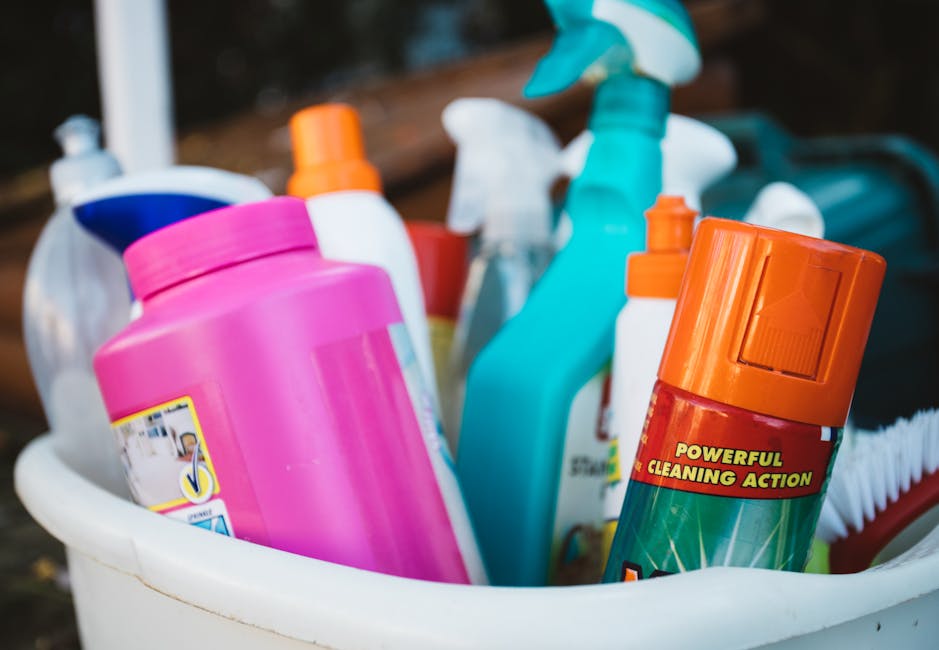
If you clean homes in Harrow, sooner or later you run into the awkward stuff: half-full bleach bottles, old aerosols, nail varnish remover, paint tins, broken batteries, garden chemicals, and that mystery container lurking under the sink. Household hazardous waste Harrow council rules for cleaners matter because this is not just "rubbish"; it is the kind of waste that can burn skin, release fumes, leak into bags, or trigger a complaint if it is handled badly.
For cleaners, the real challenge is simple enough to say and slightly annoying in practice: you need to know what counts as hazardous, how to separate it from normal waste, and when to stop and escalate to the client, landlord, or property manager. This guide breaks down the common do's and don'ts in plain English, with enough detail to help you work safely, avoid messy mistakes, and keep your process tidy. Truth be told, a little planning saves a lot of drama.
Along the way, you will also see where a broader cleaning plan helps, especially for bigger jobs like deep cleaning, end of tenancy cleaning, house clearance, or after builders cleaning. Those jobs tend to surface the forgotten chemicals. And yes, they are usually forgotten right until you open the cupboard.
Why Household hazardous waste Harrow council rules for cleaners Matters
Hazardous household waste is different from ordinary waste because it can be flammable, corrosive, toxic, pressurised, or simply awkward to dispose of safely. In a domestic property, that might mean oven cleaner, drain unblocker, paint stripper, insect spray, fluorescent tubes, broken thermometers, or old medicines. In a busy clean, these items can be missed easily if the focus is on dust, grime, or tight turnaround times.
For cleaners, the importance is not only safety. It is also reputation, time management, and professional judgement. If you bag the wrong item with general waste, you can create a leak, a smell, or even a small incident in the van. If you leave hazardous waste mixed in with keep-or-donate items during a clearance, the client may assume the whole job was handled carelessly. Nobody wants that phone call at 7 p.m. on a Friday, let's face it.
There is also a local reality to think about. Harrow households vary a lot: flats, terraces, shared homes, HMOs, family houses, rental properties, and commercial-style managed blocks. The waste you find can look different in each setting. A rented flat may have leftover decorating products. A family home may have old garden chemicals in a shed. A shared property may have a random collection of cleaners under every sink. You need a reliable way to sort all of it without guessing.
Expert summary: treat household hazardous waste as a separate cleaning and disposal task, not a side note. The safest cleaner is the one who notices the odd bottle, pauses, identifies the risk, and handles it properly.
That approach fits naturally alongside responsible services such as domestic cleaning, regular cleaning, and one-off cleaning, where consistency and safe routines matter just as much as visible results.
How Household hazardous waste Harrow council rules for cleaners Works
The practical side is less mysterious than people think. You are usually not being asked to act like a waste contractor or to invent your own disposal system. Your job is to identify, separate, store safely for the short term, and then make sure the right person takes over where needed. Simple. Not always easy, but simple.
In a typical home-cleaning scenario, the process goes like this:
- Spot the item. Look for labels, warning symbols, unusual smells, strong staining, rusting containers, or pressurised packaging.
- Pause before moving it. Do not crush, shake, puncture, or pour anything out unless you are specifically trained and authorised to do so.
- Separate it from normal waste. Keep it away from general sacks, textiles, paper recycling, and food waste.
- Contain it safely. Use upright storage, a sturdy tray, or the original container if it is still intact and safe to keep closed.
- Record or report it. Note the item, condition, and location so the client or supervisor can decide the next step.
- Arrange correct disposal. Follow the property owner's instructions, local household disposal arrangements, or your business procedure.
That sounds neat on paper. Real houses are messier. A cleaner may find a leaking bottle behind a toilet, a bundle of old batteries in a drawer, and a half-open tin of paint in a garage in the same hour. The skill is not guessing; it is staying calm and methodical.
For example, in a post-tenancy clean, you may also be doing move out cleaning or move in cleaning. In that setting, hazardous waste often turns up alongside left-behind household clutter. It is worth checking cupboards, the utility area, under sinks, and any shed or balcony storage before you start bagging items blindly.
Key Benefits and Practical Advantages
Following sensible hazardous waste routines is not just about avoiding trouble. It makes the entire clean smoother and more professional.
- Safer working conditions: fewer spills, fewer fumes, fewer accidental contact hazards.
- Cleaner results: you avoid contamination of soft furnishings, floors, and waste sacks.
- Less confusion on-site: everyone knows which items are being set aside and why.
- Better client trust: the client sees a careful, organised approach instead of a rushed one.
- Lower risk of avoidable complaints: nobody likes discovering a cracked chemical bottle in the wrong bin.
- Improved team consistency: one process means fewer ad hoc decisions, which is always a relief.
There is another benefit that people overlook: time. A cleaner who spots hazardous waste early can work around it. A cleaner who ignores it often has to stop later, re-bag items, ventilate the area, or explain a problem to a client. That lost time adds up. Fast jobs are rarely fast once a chemical spill enters the picture.
If your work includes fabric, floor, or stain-focused tasks, safe segregation becomes even more useful. A bottle of solvent near upholstery can be a bad mix, so it helps to stay organised around services such as upholstery cleaning, sofa cleaning, and carpet cleaning.
Who This Is For and When It Makes Sense
This guidance is for cleaners who work in domestic properties, rental homes, managed blocks, serviced homes, or commercial premises where household-style waste may still be present. It is especially relevant if you do end-of-tenancy work, one-off resets, post-refurbishment jobs, or property clear-outs.
It makes sense to apply these rules when you see any of the following:
- cleaning products with warning symbols
- leftover paint, varnish, or thinners
- broken aerosol cans
- old batteries or electrical items with chemical leakage
- bleach, oven cleaner, drain cleaner, descaler, or strong solvents
- unknown liquids in unlabelled containers
- out-of-date medicines or sharps in a home context
It also matters if you are a landlord, letting agent, or property manager coordinating a clean after tenants move out. In those cases, the person on site may see waste that the occupants never bothered to sort. That is not unusual. People move in a hurry and leave behind all sorts. One minute it is a tidy kitchen. The next it is a small chemistry set in a carrier bag.
For larger domestic projects, hazardous waste awareness should sit alongside services like house cleaning, deep cleaning, and communal area cleaning, where shared storage areas and utility spaces often hide the problem items.
Step-by-Step Guidance
Here is a cleaner-friendly method that works well on real jobs. Nothing fancy. Just practical and repeatable.
1. Do a first walk-through before the heavy cleaning starts
Check the obvious risk areas: under sinks, bathroom cupboards, boiler cupboards, utility rooms, garages, sheds, and cleaning storage shelves. You are looking for items that are damaged, leaking, or not suitable for normal waste bags.
2. Identify the item type
Read the label if there is one. If you cannot identify it, treat it as potentially hazardous until a responsible person confirms otherwise. Unknown liquid in a random bottle? That is not the moment for optimism.
3. Keep incompatible products apart
Do not place strong bleach, acidic cleaners, and solvent-based items together where they might leak or react. Even if the containers stay closed, you want separation in storage and handling.
4. Protect yourself first
Use suitable gloves, good ventilation, and sensible handling habits. If a container is bulging, cracked, or making pressure noises, step back. A cleaner's job is not to play hero with a pressurised can at arm's length.
5. Decide whether the item can stay put or must be moved
If the container is intact and safe, leave it upright and isolated until the next stage. If it is leaking or unstable, move it carefully into a safe containment area, following your site procedure.
6. Log what you found
Write down the item, approximate quantity, location, and any visible damage. A quick note saves a lot of "where did that come from?" later on.
7. Escalate the disposal decision
The client, owner, supervisor, or managing agent should confirm the disposal route. For cleaners, the key is not improvisation. It is calm, consistent reporting.
8. Finish the clean only after the area is safe
Once hazardous items are separated and the area is safe, continue with the rest of the clean. If the job is a larger reset, like oven cleaning or window cleaning, keep chemicals and tools organised so you do not cross-contaminate surfaces.
Expert Tips for Better Results
After enough cleaning jobs, you begin to notice patterns. Same cupboard, same smell, same surprise bottle every time. Here are the habits that help most.
- Start with the "hidden zones": under sinks, behind bins, high shelves, and shed corners often contain the risky items.
- Never trust an unlabelled bottle: if it is not clearly identified, it is not worth a guess.
- Carry a small reporting note: a simple checklist in your clipboard or app keeps everyone aligned.
- Keep ventilation in mind: strong-smelling rooms can be a clue, not an annoyance to ignore.
- Use the original container where possible: it usually tells you more than any quick note scribbled on tape.
- Train the whole team the same way: if one person separates chemicals and another tosses them in with general waste, the system falls apart fast.
One small but useful habit: take a moment at the end of the initial walk-through to ask yourself, "What would I want my own cleaner to do if they found this in my house?" That little pause changes behaviour. It sounds almost too simple, but it works.
For businesses handling higher volumes or mixed property types, pairing these routines with a documented health and safety policy and a clear recycling and sustainability approach helps staff stay consistent without overcomplicating the job.
Common Mistakes to Avoid
Most problems come from rushing. Not usually malice, just haste. Here are the mistakes that cause the most bother.
- Mixing hazardous waste with general waste: this is the classic error and still the one most likely to create leaks or complaints.
- Assuming all cleaning products are harmless: many ordinary-looking products are still corrosive or irritating.
- Putting liquid waste in thin bags: if it leaks, the whole clean becomes a cleanup of the cleanup. Annoying, really.
- Ignoring pressurised containers: aerosols and similar items need cautious handling.
- Moving an item without checking the cap: one loose lid and you have a spill in transit.
- Throwing away unlabelled chemicals because they are "probably fine": probably is not good enough.
- Forgetting to report the find: if no one knows it is there, the disposal plan cannot happen.
Another common slip is treating hazardous waste as if every property has the same setup. A family home, a rental, and an office kitchenette do not store products the same way. In office settings, cleaning teams may encounter domestic-style items in staff kitchens or storage cupboards, so services like office cleaning and commercial cleaning still need a household-waste mindset now and then.
Tools, Resources and Recommendations
You do not need a mountain of kit. A good cleaner usually needs a few well-chosen basics and a repeatable method.
| Tool or resource | Why it helps | Best use |
|---|---|---|
| Nitrile gloves | Helps reduce skin contact with residues | Handling unknown or irritating containers |
| Sturdy tray or tub | Provides secondary containment for small leaks | Transporting stable items short distances |
| Basic incident note | Creates a record of what was found | Client reporting and handover |
| Warning labels or tape | Makes items easy to identify | Marking separated waste for follow-up |
| Site waste procedure | Stops ad hoc decision-making | Team consistency on every job |
As a practical recommendation, keep a simple "do not mix" rule on your team sheet. If an item is unknown, leaking, pressurised, or strongly labelled as hazardous, it stays out of general waste until someone responsible signs off the next step.
Businesses that want to show they take this seriously often also keep clear public-facing policies such as insurance and safety information, terms and conditions, and transparent pricing and quotes. That may sound administrative, but clients do notice when a company is organised.
Law, Compliance, Standards, or Best Practice
For this topic, the key point is cautious compliance rather than pretending every cleaner needs to be a legal specialist. In the UK, hazardous waste handling is governed by a mix of waste duty-of-care principles, environmental rules, health and safety expectations, and local disposal arrangements. Cleaners should not guess their way through that.
In practice, the safest approach is:
- do not contaminate general waste with hazardous items
- do not pour liquids into drains unless you are specifically authorised and it is clearly safe to do so
- do not break, puncture, or decant chemicals unless trained and instructed
- follow the property owner's or employer's documented procedure
- keep records of anything unusual, damaged, or potentially harmful
Best practice also means understanding the boundary between "cleaning" and "disposal responsibility." A cleaner may identify the problem and make the area safe, but the final disposal route may belong to the resident, landlord, waste contractor, or management company. That division matters. It protects everyone and keeps expectations realistic.
For companies operating in Harrow, a strong internal culture around about us transparency and a fair complaints procedure can be surprisingly helpful too. If something is found late or handled differently from what the client expected, there should be a clear way to resolve it without guesswork.
Options, Methods, or Comparison Table
There is no single "right" approach for every home, but there are a few workable methods. Here is a plain comparison to help you decide which is most suitable on the day.
| Method | Best for | Pros | Watch-outs |
|---|---|---|---|
| Leave in place and report | Stable, sealed items | Lowest handling risk | Needs clear communication so it is not forgotten |
| Isolate in a safe container | Small, intact hazardous items | Keeps the area tidy and contained | Requires suitable storage and labelling |
| Escalate for specialist removal | Leaking, broken, or unknown items | Safer for staff and property | May slow the job slightly, but that is usually worth it |
| Separate during clearance work | House clearances and end-of-tenancy jobs | Prevents contamination of reusable items | Needs careful sorting and documented handover |
In our experience, the cleanest jobs are the ones where the team does not try to do everything at once. Separate first. Clean second. Dispose third. That order sounds almost boring. Which is exactly why it works.
Case Study or Real-World Example
Here is a realistic scenario from a typical Harrow rental property clean. No names, no drama, just the sort of thing cleaners see all the time.
A small two-bedroom flat had been booked for a full reset before new tenants moved in. The kitchen looked straightforward at first, but under the sink there were three partially used bottles: one bleach-based product, one drain opener, and one unlabelled clear liquid in an old spray bottle. In the hallway cupboard, the cleaner also found a box of batteries and a chipped aerosol can.
The cleaner did not move anything hastily. The items were left upright, separated from general waste, and recorded in the job notes. The client was informed, the property manager arranged follow-up disposal, and the rest of the clean continued without incident. A few minutes of caution saved a much bigger mess. That is really the story.
Because the flat also needed fabric and floor work, the team kept products away from the soft furnishings being handled during rug cleaning, mattress cleaning, and steam carpet cleaning. Nothing dramatic happened, which is usually the best sign that the process worked.
Practical Checklist
Use this checklist before you bag, move, or report any household hazardous waste in a Harrow cleaning job.
- Check under sinks, in cupboards, and in storage areas.
- Look for warning labels, leaks, corrosion, or strong smells.
- Keep unknown liquids and powders separate from general waste.
- Do not shake, puncture, or pour out suspicious containers.
- Use gloves and sensible ventilation.
- Store items upright and in a stable container if they must be moved.
- Record what was found and where it was found.
- Tell the client, supervisor, or property manager promptly.
- Follow the agreed disposal route, not a guess.
- Recheck the area before finishing the clean.
And one more practical note: if the job involves patio storage, sheds, or outdoor spaces, keep an eye on products that have been sitting in damp or cold conditions. A rusty tin is not always a problem, but it deserves respect. Same for old tins in garages. They have a way of looking harmless right until they are not.
Get a free quote today and see how much you can save.
Conclusion
Household hazardous waste Harrow council rules for cleaners are really about disciplined habits: identify, separate, report, and dispose properly. If you keep that rhythm on every job, the work feels calmer, safer, and more professional. You avoid the little disasters that turn a routine clean into a long afternoon of apologising and re-bagging things.
The best cleaners do not just make a property look better. They leave it safer, clearer, and easier for the next person to manage. That is the kind of detail clients remember, even if they never say it out loud. And to be fair, that quiet reliability is often what turns first-time bookings into repeat work.
When in doubt, slow down, check the label, and keep the process simple. Clean work has a way of rewarding patience.
Frequently Asked Questions
What counts as household hazardous waste in a home cleaning job?
It usually includes items that are flammable, corrosive, toxic, pressurised, or potentially harmful if mixed with normal rubbish. Common examples are bleach, drain cleaner, aerosols, paint, solvents, batteries, and unknown liquids.
Can cleaners throw hazardous household waste into general waste bags?
No. The safest and most professional approach is to keep it separate. Mixing hazardous items with general waste can create leaks, fumes, or handling risks later on.
What should I do if I find an unlabelled bottle during a clean?
Treat it as potentially hazardous until identified. Do not open it, pour it out, or assume it is harmless. Report it and keep it isolated from other waste.
Are cleaners responsible for disposal or only for spotting the problem?
That depends on the service agreement and site procedure. In many cases, cleaners identify and separate the waste, then the client, landlord, or manager arranges final disposal. Clear handover is the key.
Do household hazardous waste rules matter for one-off domestic cleans?
Yes, absolutely. One-off cleans often reveal the most forgotten items because cupboards, sheds, and storage spaces are finally being checked properly.
What is the safest way to handle leaking chemical bottles?
Keep your distance, avoid direct contact, use suitable gloves if trained to intervene, and isolate the item carefully. If it looks unstable, escalate it rather than trying to improvise on the spot.
Should aerosols and spray cans be treated as hazardous waste?
Yes, especially if they are old, damaged, or still partially full. Pressurised containers need careful handling and should not be punctured or crushed.
How do these rules fit with end of tenancy cleaning?
They fit very naturally. End of tenancy jobs often uncover leftover cleaning products, paint, batteries, and junk from cupboards or storage spaces. Hazardous items should be separated before the final handover.
What records should a cleaner keep when hazardous waste is found?
At minimum, note the item type, approximate quantity, location, and any visible damage or leakage. A simple written or digital note is usually enough to support handover and avoid confusion.
Is it okay to move hazardous waste into a shed or balcony temporarily?
Only if it is stable, secure, and kept away from people, heat, and food areas. Temporary storage should never make the risk worse. If unsure, leave it where it is and report it.
Do commercial cleaning jobs ever involve household hazardous waste?
They can. Staff kitchens, storage rooms, and communal areas sometimes contain domestic-style chemicals or old maintenance items, so the same caution applies in commercial settings too.
What is the biggest mistake cleaners make with hazardous household waste?
Rushing. That is the honest answer. Most problems come from trying to finish quickly and not pausing to identify what the item actually is.
Where should a client start if they want a safer cleaning process at home?
They should clear obvious hazardous items before the booking, or tell the cleaner in advance where those items are stored. A bit of preparation makes the whole job smoother and safer.