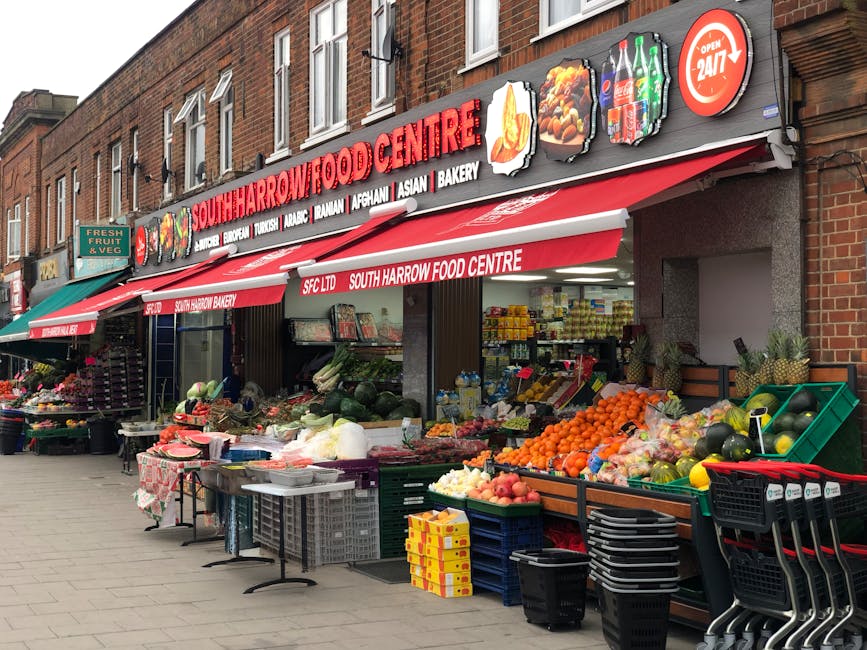
Hidden cleaning charges Harrow what to know before booking
Posted on 22/06/2026

If you've ever booked a cleaner and then spotted a surprise fee on the invoice, you'll know the feeling: a bit annoying, a bit avoidable, and very much the sort of thing that makes you second-guess the whole booking. This guide on Hidden cleaning charges Harrow what to know before booking is here to help you spot the small print before it becomes an expensive lesson. Whether you need a one-off deep clean, regular domestic help, or an end-of-tenancy service, the same basic rule applies: know exactly what is included, what is optional, and what could trigger an extra charge.
In Harrow, where homes range from compact flats to larger family houses, the risk of hidden extras often comes down to assumptions. One person expects oven cleaning to be included; the cleaner treats it as an add-on. Someone else thinks parking is built in. It isn't always. So let's make this simple, practical, and a little less stressful.
Why Hidden cleaning charges Harrow what to know before booking Matters
Hidden fees matter because cleaning is one of those services where the final bill can drift if the scope is vague. The headline price may look tidy enough, but the total can change once the cleaner sees a very neglected kitchen, limited access, extra rooms, or a job that needs specialist equipment. That's not automatically a bad sign. Sometimes it's fair enough. The problem starts when the price was never clear in the first place.
For Harrow residents, there's also a local reality to consider. Parking can be tricky in some streets, access can be awkward in upper-floor flats, and busy schedules often lead people to book fast without reading the detail. In other words: good intentions, messy invoice. It happens.
Here's the important bit. A trustworthy cleaner should be able to explain the quote in plain English. If they can't, or won't, that's your cue to slow down. If you are comparing a few providers, it also helps to read the pricing and quotes guidance and the wider services overview so you can see how the business presents its work, not just the headline number.
Practical takeaway: the cheapest quote is not always the best value. The best quote is the one that tells you, clearly and honestly, what you are paying for.
How Hidden cleaning charges Harrow what to know before booking Works
Hidden cleaning charges usually appear in one of four ways: vague base pricing, optional extras that become expected, minimum job thresholds, or charges triggered by the property itself. Sometimes it's a simple misunderstanding. Other times, the structure is deliberately unclear. You do not need to become a contract lawyer to avoid trouble, but you do need to ask the right questions.
Think of a standard domestic clean. A quote may cover routine dusting, vacuuming, and surface wiping. Then the cleaner arrives and notes that the oven hasn't been touched in months, the fridge needs a deep interior clean, the windows are high and difficult to reach, and there's pet hair embedded in soft furnishings. At that point, the original price may no longer make sense. That doesn't mean the business is dishonest. It means the original scope was too narrow.
Common charges to watch for include:
- extra rooms or additional bathrooms not mentioned upfront
- deep cleaning for ovens, fridges, or extractor hoods
- stain treatment on carpets or upholstery
- heavy limescale, mould, or end-of-tenancy neglect
- parking, congestion, or waiting time
- same-day, evening, weekend, or bank-holiday surcharges
- specialist equipment or products for delicate surfaces
- key collection, access delays, or lockout time
If you've ever thought, "Surely that should be included?", you're not alone. The issue is not that every extra is unreasonable. It's that you should know about them before the appointment, not after the mop has been put away.
For more context on what a service can include, it can help to compare a routine clean with a specialist one such as domestic cleaning in Harrow, house cleaning options, or end-of-tenancy cleaning. The scope is different, and the pricing logic usually is too.
Key Benefits and Practical Advantages
Checking for hidden charges before booking is not just about saving money, although yes, that is a nice part of it. It also gives you a cleaner comparison between providers, fewer surprises on the day, and a much smoother experience overall.
Here's what you gain:
- Budget control: you know the likely total before you commit.
- Better comparison: quotes become easier to compare like-for-like.
- Less friction: fewer awkward conversations when the cleaner arrives.
- More trust: transparent businesses feel easier to work with.
- Better results: the job can be scoped properly from the start.
There's also a surprisingly practical benefit: once you ask about extras, you often learn what the company considers standard. That alone can tell you a lot. If a provider is comfortable explaining their process, they are usually easier to deal with later if something changes. If they dodge the question, well... that tells you something too.
For people booking special services, this is even more useful. A carpet clean in a busy family home, for example, may be more complex than a quick freshen-up. You can see how related services are positioned by browsing carpet cleaning in Harrow or upholstery cleaning. Different jobs, different variables, different risks of extra charges.
Who This Is For and When It Makes Sense
This advice is useful for almost anyone booking cleaning in Harrow, but it matters most if you fall into one of these groups:
- Busy households booking a one-off deep clean with little time to compare quotes.
- Tenants and landlords dealing with move-out standards and deposit concerns.
- New homeowners who want a proper reset after completion day chaos.
- Office managers arranging recurring work and trying to keep invoices tidy.
- Anyone booking urgently because the house is due to be shown, handed back, or used for an event.
It also makes sense if you're booking in a rush. Truth be told, rushed bookings are where most misunderstandings happen. You scan the price, nod, and assume the rest will be fine. Then the additional cost shows up and you're stuck having the same conversation you hoped to avoid.
If your cleaning need is commercial rather than domestic, it can help to review office cleaning services and look at how regular visits are structured. Recurring work often has different extras than a one-off visit, especially around waste removal, access, and out-of-hours scheduling.
Step-by-Step Guidance
Here's a straightforward process to reduce the chance of hidden charges before you book. Nothing fancy. Just a sensible way to protect your time and your money.
- List the rooms and tasks clearly. Don't say "whole house" if you mean five rooms, two bathrooms, a utility room, and an oven clean. Be specific.
- Ask what is included in the base price. Get a plain list. Vacuuming, dusting, bathroom sanitising, kitchen wipe-down, inside fridge, oven, windows, skirting boards - clarify each one.
- Ask what counts as an extra. This is the key question. If there is a stain, a pet issue, a heavy build-up, or a difficult access point, what happens?
- Confirm travel and access charges. Some jobs carry parking or waiting-time costs. Better to know upfront than argue about them later.
- Check scheduling fees. Same-day, weekend, evening, and bank-holiday bookings may be priced differently. If you need a fast turnaround, ask directly.
- Request the final price structure in writing. A text, email, or quote document is usually enough. You just want something clear to refer back to.
- Recheck before the appointment. If the property changed since the quote, tell the cleaner. A small update now is easier than a big surprise later.
If you want to understand pricing more deeply, a useful comparison point is the guide to domestic cleaning prices in Wealdstone, which gives a good sense of how careful booking can make a difference in everyday situations.
Expert Tips for Better Results
After years of seeing how cleaning bookings go wrong, the same few habits keep popping up. The good news? They are easy to fix.
1. Be honest about condition. If the oven is baked on, say so. If the carpet has old pet stains, say so. A cleaner cannot price what they do not know exists. And nobody likes the awkward "oh, that's more than we expected" moment at the door.
2. Separate standard cleaning from specialist cleaning. End-of-tenancy work, stain removal, carpet extraction, and upholstery treatment are not all the same thing. They may overlap, but they are priced differently for a reason.
3. Ask about products and equipment. Some providers include everything; others charge for specialist tools or cleaning solutions. If you have delicate materials, this matters even more.
4. Watch out for vague phrases. Words like "from," "starting at," and "subject to inspection" are not bad by themselves, but they should be followed by a clear explanation. No one should have to decode a quote like it's a puzzle.
5. Consider the timing carefully. A same-day booking can be brilliant when you're in a bind, but last-minute work can carry extra cost. If timing matters, see how to avoid delays and extra charges on same-day cleaning.
6. Keep communication simple and written. A short written summary of what you agreed is often enough. It protects both sides and avoids the "I thought you meant..." problem. Happens more than you'd think.
Small local note: in Harrow, apartment access, stairwells, parking restrictions, and weekend timing can all affect the final bill more than people expect. A few extra minutes of checking can save a proper headache later.
Common Mistakes to Avoid
Most hidden-charge problems come from very ordinary mistakes, not dramatic ones. Which is a relief, really, because ordinary mistakes are easier to fix.
- Assuming everything is included. It rarely is. Always ask.
- Comparing quotes without checking scope. Two prices can look similar while including very different work.
- Forgetting access costs. Parking and waiting time are easy to miss.
- Not mentioning difficult stains or heavy buildup. That usually creates the biggest price jump.
- Booking a specialist job as if it were routine. End-of-tenancy, carpet extraction, and upholstery treatment need clearer scoping.
- Ignoring cancellation or rescheduling terms. Life happens. But the policy still matters.
- Leaving questions until the day of the clean. By then, it's too late to negotiate calmly.
There's a slightly boring truth here: most "hidden charges" are actually "unchecked charges." Not always, but often. The distinction matters.
If you're booking as a tenant or landlord and want the clean to stand up to inspection, it can also help to read about end-of-tenancy cleaning near Pinner Station. The standards and expectations there are a good reminder of how scope affects cost.
Tools, Resources and Recommendations
You do not need complicated software to avoid surprise charges. A few practical habits are enough.
- Room-by-room notes: write down every space you want cleaned, including hallways, utility spaces, and cupboards if needed.
- Photo reference: if the cleaner allows it, a couple of clear photos can help explain condition before booking.
- Quote comparison sheet: use a simple table with columns for price, tasks included, extras, timing, and access charges.
- Written confirmation: save the quote or message thread so there is no confusion later.
- Service pages: review the provider's own descriptions before you book. The services overview can help you see how different jobs are categorised.
If you want a better sense of the company's approach to policies, payment, and trust, these pages are worth a look: terms and conditions, payment and security, and insurance and safety. They are not exciting reading, admittedly, but they are the sort of pages that tell you how seriously a business handles the basics.
Law, Compliance, Standards, or Best Practice
For cleaning services in the UK, the safest way to think about compliance is this: the quote, the service description, and the final invoice should all line up. If they do not, ask for clarification before paying. In plain terms, a business should not hide material costs in fine print if those costs were likely to affect your decision to book.
Good practice also means clear information about cancellation terms, payment timing, and any conditions that apply to the visit. If a service involves working at height, handling chemicals, or entering occupied premises, the cleaner should be able to explain how they manage safety and access. That doesn't require drama. Just clarity.
For landlords, tenants, and business customers, written expectations are especially useful. End-of-tenancy work can be judged against a checklist, while office cleaning may involve repeat visits and predictable scope. In both cases, clarity reduces disputes. Simple as that.
It is also sensible to check that any policy pages are easy to find and read. The presence of pages such as complaints procedure and health and safety policy usually signals that the business is thinking beyond the booking form. Not a guarantee, of course, but a good sign.
Options, Methods, or Comparison Table
Different cleaning jobs bring different charge risks. This quick comparison helps show where hidden costs usually show up.
| Cleaning type | Common hidden charge risk | Best way to avoid surprise costs |
|---|---|---|
| Regular domestic cleaning | Extra rooms, deep grime, parking, waiting time | List rooms and task level clearly before booking |
| End-of-tenancy cleaning | Oven, fridge, limescale, stain treatment, deposit-standard extras | Ask for a full inventory of included tasks and inspection-focused work |
| Carpet cleaning | Heavy staining, large rooms, specialist treatment, access issues | Describe carpet condition honestly and ask what stain removal costs extra |
| Upholstery cleaning | Fabric type, delicate materials, stubborn marks, sofa size | Share fabric details and ask whether testing or specialist products cost more |
| Office cleaning | Out-of-hours work, waste handling, added rooms, secure access | Clarify building access, schedule, and regular versus occasional tasks |
The broad idea is simple: the more variable the job, the more important the quote wording becomes. That's why comparing a quick home tidy with office cleaning or upholstery cleaning can be useful. The service type tells you a lot about where hidden costs might hide.
Case Study or Real-World Example
A Harrow family booked a one-off clean after a busy few months. They wanted the kitchen, two bathrooms, hallway, and lounge brought back to a decent standard before guests arrived on a Friday evening. The quote looked reasonable. But they had not mentioned the built-up oven grease, a pet accident in one corner of the lounge carpet, or the fact that the flat was on an upper floor with limited parking nearby.
On the day, the cleaner explained the base clean was still fine, but the oven degreasing, carpet stain treatment, and extra time spent carrying equipment up several flights would change the total. Nobody was thrilled, naturally, but because it was discussed before the work began, the family could decide what to keep and what to skip. They chose the kitchen and main living areas, left the carpet treatment for another date, and avoided a bigger surprise at the end.
That's the real lesson. A clear conversation early on can turn a potential dispute into a simple decision. Nothing dramatic. Just practical.
In a different scenario, a tenant preparing for check-out wanted a more inspection-ready result. Reading a local guide such as carpet cleaning near Harrow School helped them understand why stains, pile condition, and room size could affect price. They were then much better prepared to ask the right questions.
Practical Checklist
Use this checklist before you confirm any cleaning booking in Harrow.
- Have I listed every room and area that needs cleaning?
- Do I know exactly what the base price includes?
- Have I asked about oven, fridge, carpet, upholstery, or stain extras?
- Do I understand parking, access, and waiting-time charges?
- Have I checked whether same-day, evening, or weekend work costs more?
- Did I tell the cleaner about heavy grime, pet issues, mould, or limescale?
- Do I have the quote in writing or saved in a message thread?
- Have I reviewed the cancellation or rescheduling terms?
- Is the service type right for the job I actually need?
- Am I comparing quotes on the same scope, not just the same headline price?
If you can tick most of those off, you are in a much stronger position. And if a provider gives you clear, patient answers? That is usually a very good sign.
Get a free quote today and see how much you can save.
Conclusion
Hidden charges are not always about bad actors. Often they are about vague scopes, rushed bookings, and assumptions that never got checked. But that does not make the problem any less annoying, and it certainly does not mean you have to accept it.
If you remember only one thing from this guide on Hidden cleaning charges Harrow what to know before booking, make it this: ask for clarity before you book, not after. A good cleaner should welcome that conversation. It shows you are organised, and it helps them price the job properly.
In a busy place like Harrow, that little bit of prep can save you money, time, and a fair bit of stress. And honestly, that's worth doing before the kettle even comes on.